
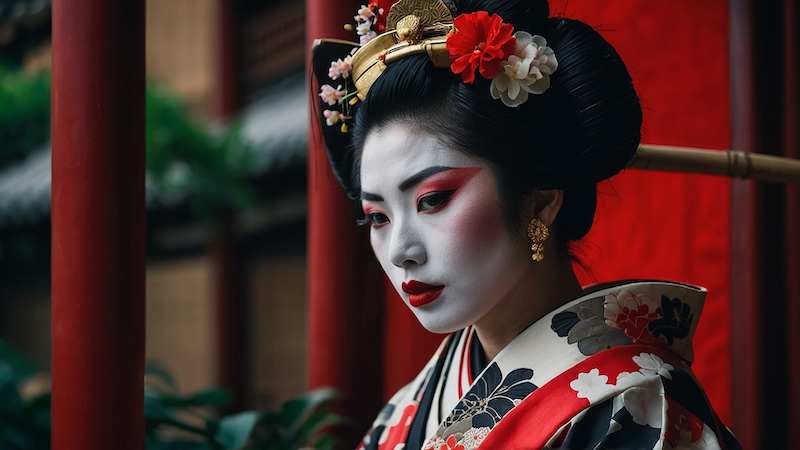
Face masks, skin protection, longevity, Japan’s approach, known as J-Beauty, is what’s trending in beauty today. There is a profound fascination with Japan’s unique fashion and innovations like smart toilets and capsule hotels but recently, the country’s skincare and wellness practices have become a leading attraction as more people seek health-focused travel experiences. This country draws visitors with its stunning natural landscapes, delicious cuisine, vibrant cities and iconic exports such as anime and manga.
For years, the global wellness industry focused on intense, targeted treatments like strict detoxes, fitness workshops and invasive clinical procedures. Visiting a Japanese onsen, on the other hand, is a calmer and more balanced alternative. As simpler and preventative treatments become more in demand with wellness-oriented tourists, a growing proportion look to Japan for its focus on longevity, authentic and culture-driven experiences particularly in nature and more accessible skin care routines.
What’s trending in beauty: The J-Beauty Approach
Prevention Over Cure
At the core of Japanese wellness is the prioritization of treating the body, mind and skin with long-term care rather than reactive fixes. While Western beauty and wellness trends often use chemical exfoliants, strong peels and powerful active ingredients to speed up skin renewal, the Japanese beauty (J-Beauty) focuses on protecting the skin’s natural barrier.
The aim is mochi hada, which means skin that is as soft and hydrated as a fresh rice cake. You do not need a complicated 10-step routine to get this look. Instead, the focus is on simple yet effective steps like double-cleansing, using hydrating lotions with hyaluronic acid and applying lightweight UV protection.
Modern fast-beauty focuses on quick and dramatic changes in appearance, but J-Beauty sees skin health as part of overall well-being. It nourishes the skin’s moisture barrier with ingredients such as green tea extract, fermented rice bran (komenuka) and camelia oil.
1. Recuperative Hot Spring Therapy (toji)
Hot spring baths are an integral pillar of Japanese wellness. Japan is home to over 27,000 natural occurring hot springs (onsen) and, the long-established practice of hot spring bathing (toji) emerged as a means for court officials, samurai and priests to heal fatigue, joint pain and skin inflammation.
Today, wellness retreats in places like Beppu, Hakone and Nagano have adapted toji for tourists from around the world. Hot spring bathing has evolved from weeks-long, rural or communal retreats to offering private rentable baths (kashikiri) in the city. This method so compelling to longevity-seeking wellness tourists because the mineral-rich water helps hydrate the skin, reduce inflammation and improve circulation.
What makes hot spring bathing (toji) so effective?
The minerals found in Japan’s hot springs, like iron, sulphur and calcium, nourish and rejuvenate the skin; people who have dermatitis or are eczema-prone have found it soothing to their skin sensitivities.
This practice improves blood circulation throughout the body because the warm water opens up the blood vessels. Thermal bathing also helps alleviate tension or stiffness in the muscles, activates your parasympathetic nervous system, and improves quality of sleep.
Practicing toji is more than just taking a relaxing bath. Short retreats last three to five days, and the more traditional retreats span across multiple weeks.
2. The Benefits of Forest Bathing (shinrin-yoku)
Coined by the Japanese Ministry of Agriculture, Forestry and Fisheries in the 1980s, shinrin-yoku (forest bathing) was developed as a public health initiative to combat corporate burnout, a burdensome source of spikes in cortisol.
More than mere hikes for exercise, forest bathing is about being mindful and spending restorative time in nature. Scientists have found that trees release natural scents called phytoncides for self-protection. Breathing in these compounds can lower stress hormones and reduce blood pressure, which strengthens the immune system.
3. Accessible J-Beauty and Scalp Head Spas
In Japan, improving wellness is a daily endeavour, not a special occasion. J-Beauty skin care products and treatments exemplify this by being accessible, often found in regular stores, and highly effective.
Typical Japanese pharmacies like Matsumoto Kiyoshi are regularly stocked with high-quality hydrating sunscreens and hyaluronic lotions, often costing less than £10. At the same time, special Japanese Head Spas, which offer treatments for scalp health, deep cleaning and shiatsu massage, have become popular city experiences, especially for those recovering from long flights.
4. Learning from Japan’s traditional vegetarian cuisine (Shojin Ryori)
Gut health has become a buzz word in the global health community, with fermented foods as well as probiotics and fibre-dense foods garnering more appeal amongst the health-minded consumer. Many have grown interested in Japan’s traditional Buddhist vegetarian cuisine (shojin ryori), comprised of miso and natto in particular, because it is rife with fibre, antioxidants and probiotic which enhances digestion and immunity.
A Fresh Take on Sustainable Self Care
The main attraction of Japan’s wellness culture is not just one miracle skincare product or a brief spell of relaxation in a hot spring. It is to leave with a renewed and cohesive method to living a sustainable, balanced life.
Instead of focusing on instantaneously alleviating problems, Japan’s approach advocates for taking protective measures whether it be applying hydrating skin care that supports the skin’s barrier or embarking on tranquil walks in the forest. You will not leave inundated by a lengthy stream of new products and rules, but with a remedied, more profound approach to achieving a gentler and more sustainable wellness routine.
Why is J-Beauty so effective?
Simplicity and longevity are a central tenet of J-Beauty, which emphasises time-honoured natural ingredients that help restore and retain healthy skin. It takes a gentle and hydrating approach, rice water rinses, camellia seed oils and green tea being prominent, tried and true ingredients in J-Beauty. Behind its minimalist approach is a profound consideration for protecting the skin-barrier, steering away from intense quick fixes that many often find too stripping and aggressive to the skin.For more information on wellness and beauty, read here.