
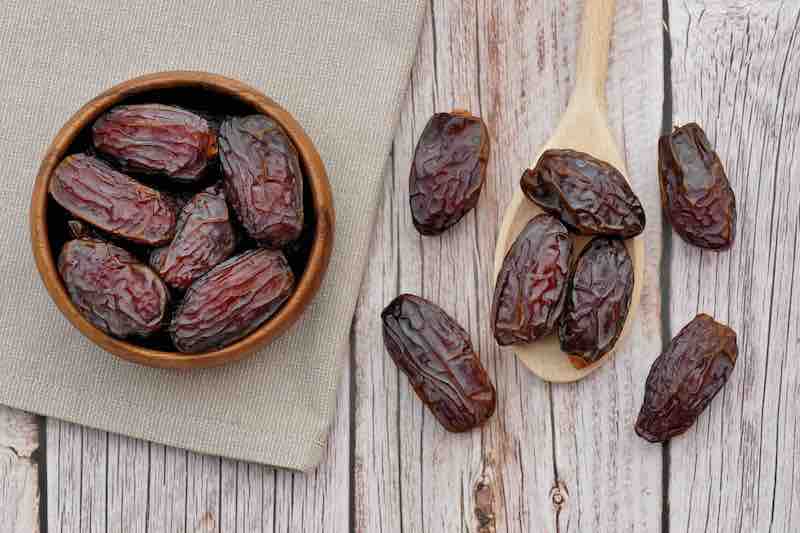
Superfood trends may come and go, but some ingredients have stood the test of time. Dates, cultivated and enjoyed in Saudi Arabia for thousands of years, are attracting attention in the UK as more people embrace whole foods and look for natural alternatives to refined sugar. Whether tossed into salads or enjoyed as a simple snack, Saudi dates are becoming an increasingly familiar food in wellness-focused British kitchen cupboards.
Long before the term “superfood” entered everyday conversation, dates were valued for their nutritional qualities and place in daily life. Naturally rich in fibre, potassium, magnesium and antioxidants, dates offer a source of natural sweetness while also providing nutrients that support a balanced diet. Unlike refined sugar, dates retain their fibre and micronutrients, making them a versatile ingredient for everything from breakfast bowls and homemade energy bites to baking and sauces.
A tradition thousands of years in the making
Long before wellness trends introduced ingredients like chia seeds and matcha to supermarket shelves, dates were an essential part of daily life across the Arabian Peninsula. In Saudi Arabia, the fruit has long been woven into the country’s agricultural heritage. It is synonymous with hospitality, where it is traditionally served alongside Arabic coffee as a welcoming gesture to guests.
According to Visit Saudi, Saudi Arabia is one of the world’s largest producers of dates, with millions of palm trees flourishing across regions including Madinah, Al Qassim and Al Ahsa. Each growing area produces distinctive varieties, reflecting differences in climate, cultivation and tradition. Soft and honeyed Sukkari dates are prized for their delicate sweetness, while the darker Ajwa variety offers a richer flavour and has been cultivated around Madinah for generations. Khalas, another popular variety, is known for its balanced caramel notes and smooth texture. For many travellers, discovering these regional varieties offers a deeper appreciation of Saudi Arabia’s food culture.
Naturally Energising
Part of their growing appeal lies in their simplicity. Dates contain naturally occurring sugars such as glucose and fructose, providing a quick source of energy without relying on heavily processed ingredients. Combined with their fibre content, they’re a satisfying snack that can help keep hunger at bay for longer than many sugary alternatives.
It’s one reason they’ve become increasingly popular with runners, cyclists and gym-goers, while home cooks are chopping them into porridge, stuffing them with nut butter or incorporating them into homemade protein bites. Their versatility means they work just as well as an afternoon pick-me-up as they do in recipes designed to fuel an active lifestyle.
More than a sweet treat
As interest in reducing refined sugar continues to grow, dates are becoming a favourite ingredient for home bakers and chefs alike. When blended, they add richness to cakes, brownies and flapjacks, while date syrup has become a popular drizzle for yoghurt, pancakes and roasted fruit. Chopped dates also pair surprisingly well with savoury dishes, bringing sweetness to grain salads, tagines and cheeseboards.
Their adaptability has helped transform them from an occasional cupboard ingredient into an everyday staple, fitting naturally into plant-based cooking, family meals and healthy snacks alike.
A taste of Saudi Arabia
Perhaps what makes Saudi dates stand apart isn’t simply their nutritional profile but the story behind them. Across the Kingdom,date palms have shaped landscapes and livelihoods for generations, with many farms still harvesting fruit using traditional methods passed down through families.
As British shoppers become more interested in the origins of their food, Saudi dates offer something increasingly sought after: authenticity. They’re not a newly discovered wellness trend but an ingredient with deep cultural roots that is now being appreciated by a new audience.
Whether enjoyed straight from the packet, paired with coffee or woven into everyday recipes, Saudi dates are proving that some of the most enduring foods don’t need reinventing. Sometimes, they simply need rediscovery.
For more wellness news, click here.