Arabic medicinal practices still thrive today. Ancient Arab wellness originates from one of the world’s oldest and most sophisticated healing traditions. Over thousands of years, written knowledge has shaped wellness practices across Islamic cultures. Rooted in observation, herbal science, and spiritual understanding, these traditions place the highest possible value on nature and its beneficence. For centuries, scholars and healers studied how the human body responds to natural elements, believing that the earth holds everything needed for balance and wellbeing. Many of these ancient Arab practices are still alive today due to the meaningful benefits they offer.
Cupping Therapy
One of the most enduring traditions is hijama, or cupping therapy. Practiced in pre-Islamic Arabia and later emphasised in prophetic medicine, hijama uses suction to stimulate circulation, release tension, and support the body’s natural detoxification processes. Today, cupping remains popular across the Middle East and has even found a global audience among athletes and wellness seekers.
Sand Bathing
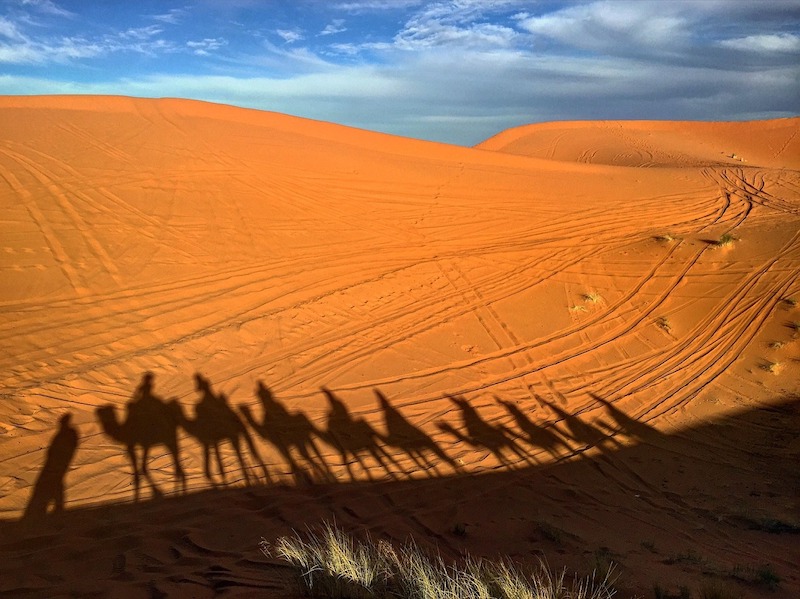
Another practice that has stood the test of time is sand bathing. For hundreds, even thousands of years, the hot sands of Arabia, Egypt, Sudan, and North Africa were used as a natural form of therapy. During long desert journeys, Bedouins discovered that the deep warmth of the sand could soothe muscle fatigue, ease joint pain, and restore energy after hours of riding camels under the sun. Travellers would pause, dig shallow pits, bury their bodies while keeping their heads above the surface, and allow the earth’s heat to penetrate deeply. Ancient Egyptians used sand baths to treat arthritis, Sudanese women integrated them into postpartum recovery, and North African communities relied on them as a natural remedy for inflammation and tension. The immediate benefits proved to be improved circulation, reduced pain, detoxification, and a renewed sense of vitality. It remains today a powerful reminder that the desert itself is a healer.
Hammams
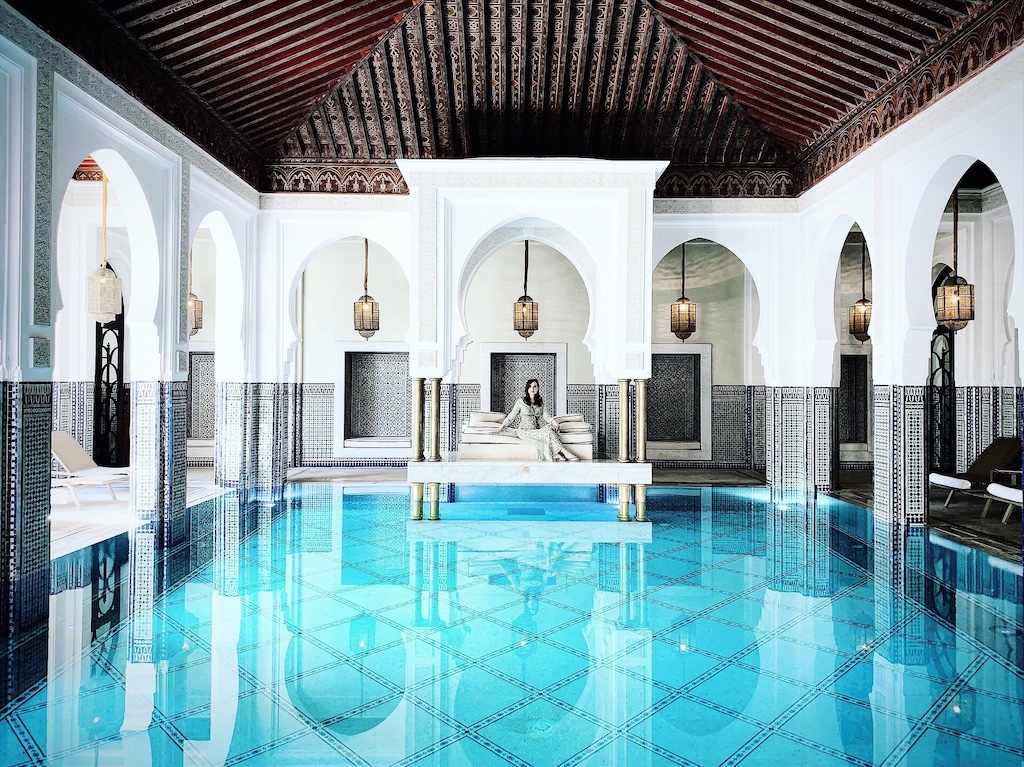
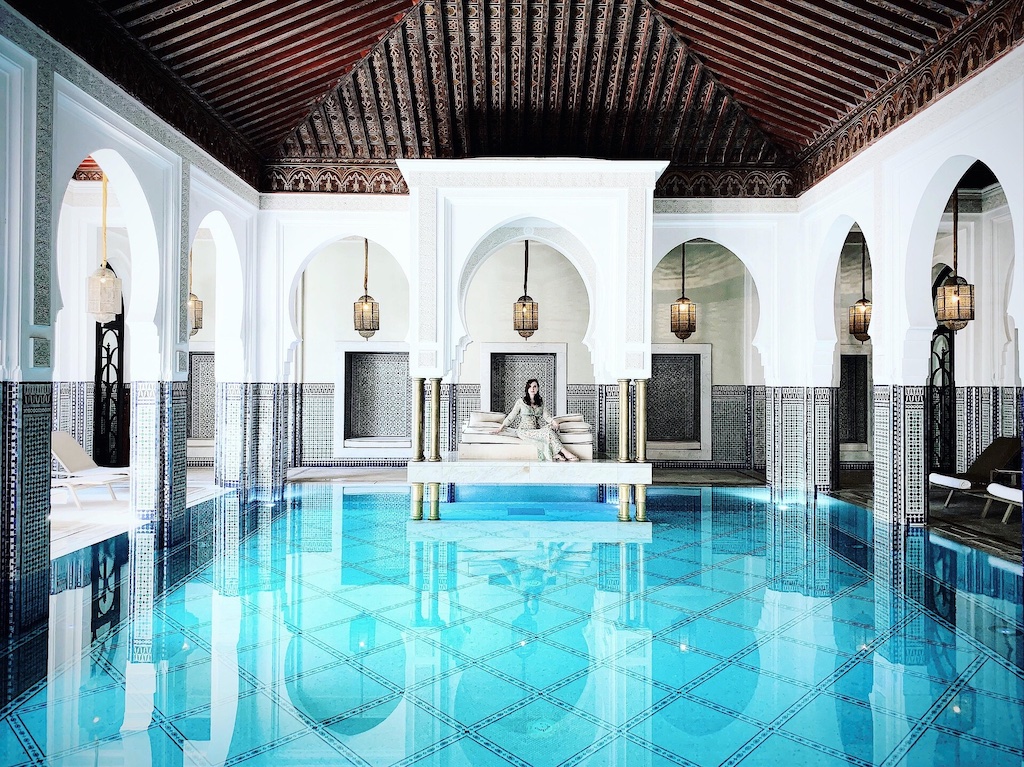
Equally enduring is the hammam, a cornerstone of Middle Eastern and Turkish wellness culture. More than a cleansing ritual, the hammam is a full hydrotherapy experience: warm steam to open the pores, exfoliation to remove impurities, cleansing with natural soaps or clays, and finally, rest accompanied by herbal tea. Beyond its physical benefits, the hammam has always been socially meaningful as a place where people from different backgrounds gather, talk, and unwind. It offers a form of communal healing rarely found in modern wellness spaces.
Salt Therapy
Salt therapy is another ancient Arab practice that continues today, especially in the form of salt rooms. Micro-particles of salt can help ease respiratory issues such as asthma, allergies, bronchitis, and sinus congestion. Salt scrubs, long used across the region, stimulate circulation, exfoliate the skin, and relieve fatigue.
Rhassoul Clay
Finally, the use of rhassoul clay remains an iconic Moroccan tradition dating back to the eighth century. Mined from the Atlas Mountains, one of only two active ghassoul deposits on Earth, this clay is formed through centuries of geothermal and volcanic activity, giving it extraordinary mineral richness. Its fine, stevensite structure contains magnesium, silica, sodium, potassium, iron, and trace lithium, offering benefits such as hormone stabilization, collagen production, anti-inflammation, detoxification, and anti-aging effects. Used as a cleanser, exfoliant, clarifier, and even shampoo substitute, rhassoul is a testament to the enduring power of the earth’s natural gifts.
Across the Arab and now western world, these ancient Arab wellness traditions continue to thrive, reminding us that the past still has much to teach us about healing, balance, and the wisdom of nature.