Steam curls into the early morning air as bathers slip quietly into mineral pools, the day beginning with intention. In The Great Spa Towns of Europe wellness is a rhythm of life shaped by water, landscape, and time. These destinations invite travellers to slow down, tune in and remember that rest can be both restorative and deeply cultural.
What defines a spa town is how an entire place has been shaped around it, not simply the presence of thermal or mineral water. Streets are designed for strolling rather than rushing. Parks and promenades encourage gentle movement. Buildings curve inward, enclosing bathhouses that feel protective. Many of Europe’s most celebrated spa towns are now recognized as UNESCO’s Great Spa Towns of Europe, not because they are frozen in time, but because they continue to practice wellness as a cultural tradition.
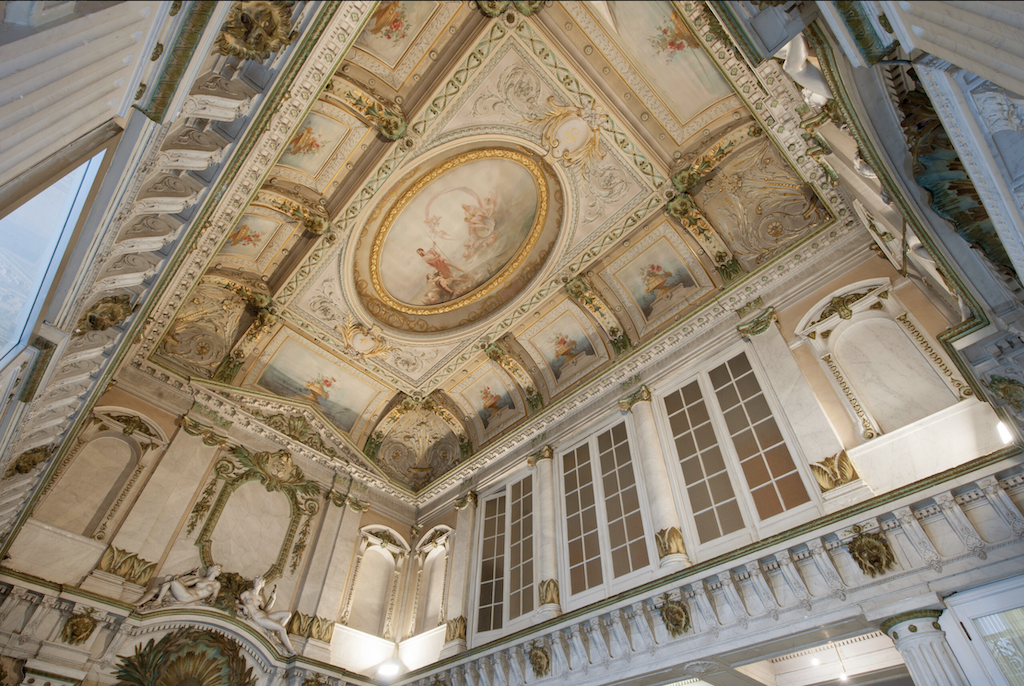
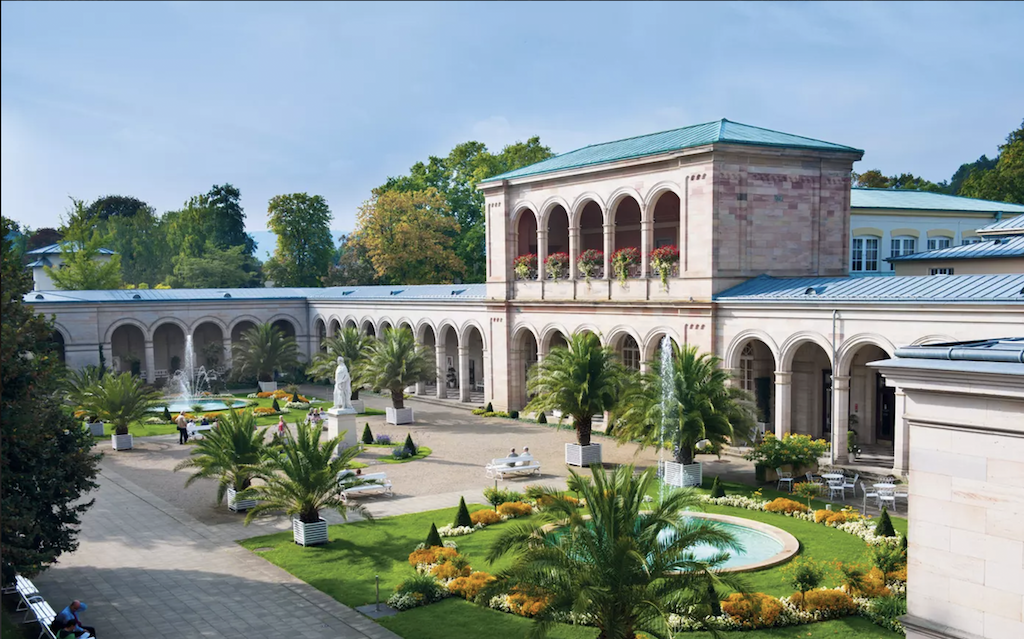
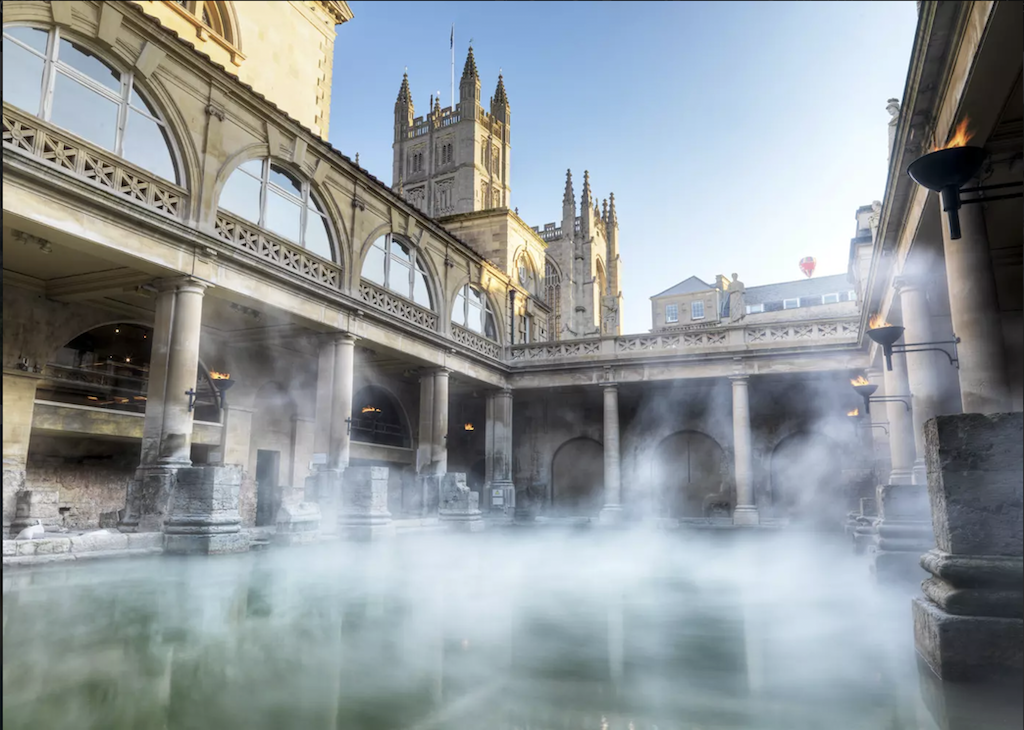
Architecture plays a quiet but essential role in this experience. In Karlovy Vary, pastel colonnades guide visitors from spring to spring, turning the act of drinking mineral water into a meditative walk. Baden-Baden’s neoclassical bathhouses reminisce on Roman bathing culture, where wellness was once a civic ritual shared across social lines. In Bath, honey-colored Georgian terraces echo an era when “taking the waters” was both a medical prescription and a social practice. These towns were designed to hold people gently, reminding the body to slow down.
Cultural heritage in spa towns is not confined to museums or plaques, as it lives in daily ritual. Wellness here unfolds through repetition and visitors return to the same springs at the same times each day. Meals are structured for digestion, rather than indulgence, and afternoons are intentionally quiet. This rhythm, passed down through generations, reinforces the idea that healing happens incrementally, through consistency and care.
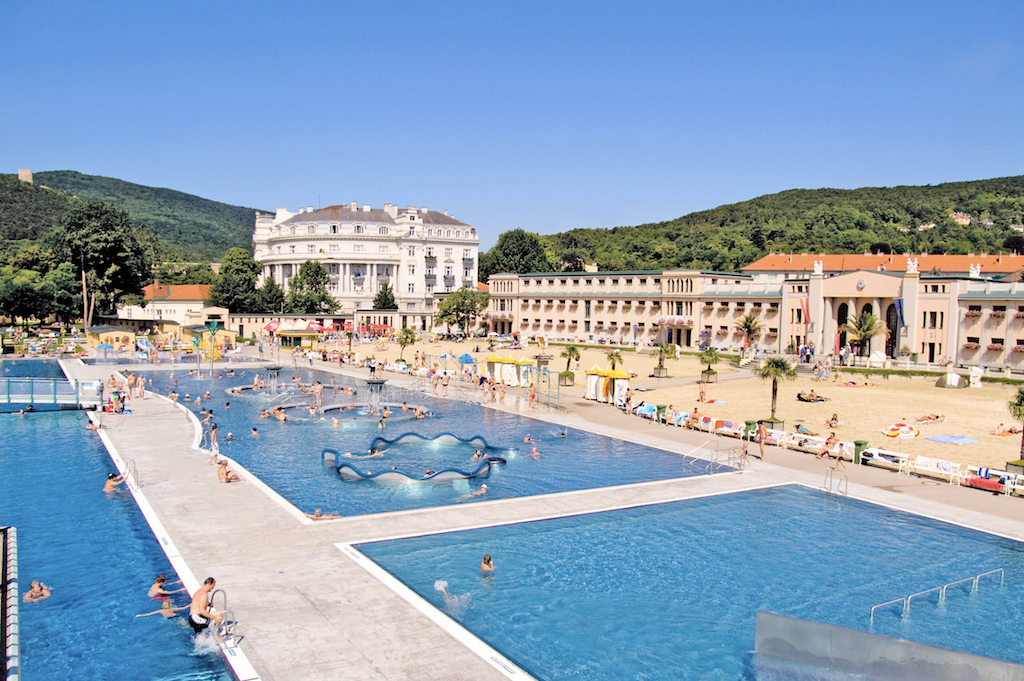
Across Europe, spa towns express this philosophy in different ways. Spa, the town in Belgium that gave spa culture its name, approaches healing through pure spring water, walking cures, and a tradition rooted in restraint. In Františkovy Lázně, wellness is gentle and restorative, long associated with women’s health and peat-based therapies that encourage balance instead of intensity. Baden bei Wien pairs thermal bathing with vineyards and wooded hills, where wellness unfolds through contrast: warm waters followed by fresh Alpine air. In Bad Ems, set along the Lahn River, mineral springs once prescribed for respiratory and nervous conditions support a slower, more contemplative form of recovery. In Vichy, wellness takes on a refined, almost clinical elegance, where hydrotherapy is structured and purposeful. Montecatini Terme, set among Tuscan hills, offers a softer approach, where balance, breath, and pleasure co-exist.
What unites these places is their commitment to ritual. Some spa towns prioritize soaking, others focus on sipping mineral-rich waters believed to support digestion and inflammation. Mud, peat, and salt therapies are applied repeatedly over days or weeks, reinforcing the idea that wellness is not an event but a practice. Even social norms—shared silence in bathing spaces, respect for slow movement—become part of the treatment.
Today, spa towns are attracting a new generation of wellness travellers. Burnout, overstimulation, and digital fatigue have created a longing for places that do not demand constant engagement. Spa towns offer a form of travel where presence matters more than productivity. Solo travellers find comfort in their gentle structure, couples reconnect without distraction, and visitors of all ages discover that rest does not need reinvention to remain relevant.
Perhaps this is why spa towns feel like Europe’s most understated luxury. There are no bold claims or curated transformations. Instead, there is time—time to walk, to soak, to breathe deeply. The water does its work quietly, just as it has for centuries.
In these towns, wellness is not something you chase. It is something you enter, absorb, and carry with you long after the steam has cleared. There are 11 Great Spa Towns in Europe spread across 7 European countries.
- City of Bath – United Kingdom
- Vichy – France
- Montecatini Terme – Italy
- Spa – Belgium
- Baden bei Wein – Austria
- Baden-Baden – Germany
- Bad Ems – Germany
- Bad Kissingen – Germany
- Karlovy Vary – Czechia
- Františkovy Lázně – Czechia
- Mariánské Lázně – Czechia