Jane Wilson, Founder & Editor, The Wellness Traveller
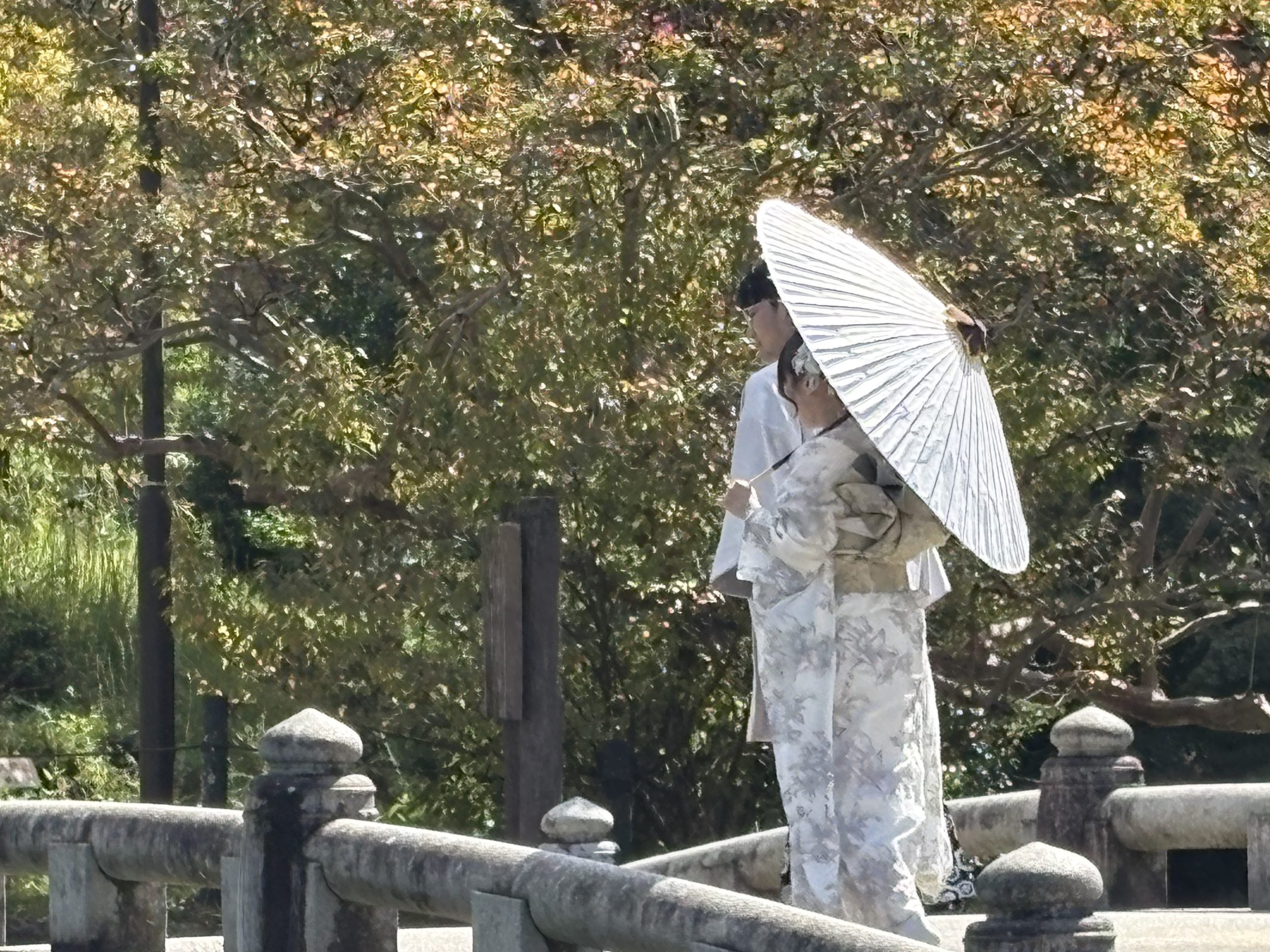
It seemed like an apparition in front of me. She stood on a wooden arched bridge, a delicate parasol shielding her pale complexion, hair ornaments catching the sunlight and the graceful folds of her kimono creating the unmistakable silhouette of a geisha. Below, a stream mirrored the scene, adding to the timeless beauty of the setting. It was the Japan I had imagined for years: elegant, artistic and steeped in centuries of tradition. This was the gentle side of Japan.
And a country of contrasts. Tokyo’s neon-lit streets, karaoke bars, gaming arcades and cutting-edge technology reveal a vibrant, sometimes frenetic personality, while its high-speed bullet trains sweep through the landscape at astonishing speeds. Yet, for me, the greatest appeal lay elsewhere. I had come in search of the quieter Japan: gardens bathed in morning light, temples reflected in still water, delicate seasonal flowers and the understated rituals of a traditional ryokan. I wasn’t disappointed.
There is something inherently appealing about travelling to a country where the pace, customs and everyday rituals are so different from our own. Away from the familiar demands of daily life, Japan offered an opportunity to pause, observe and appreciate a different approach to beauty and wellbeing. Here, simplicity is an art form, nature is woven into everyday living and even the smallest details seem to have significance.
Discovering Japan independently can be daunting. The language, customs and transport system present challenges, particularly when travelling between several cities. An escorted tour seemed an ideal way to experience the country without the anxiety of organising every detail. I chose Riviera Travel’s The Best of Japan, a 13-day journey promising expert guides, immersive cultural experiences and many of the country’s iconic sights. But would travelling with a group of 32 leave enough room for personal discovery, and would the itinerary feel too hurried?
Riviera Travel’s Escorted Tour – The Best of Japan
My first morning offered an encouraging answer. Breakfast at Tokyo’s New Otani Hotel came with a view across ten acres of beautifully landscaped Japanese gardens. Distinctive arched wooden bridges crossed koi-filled ponds, while stepping stones led over rippling streams. The carefully arranged landscape created a sense of harmony that felt a world away from the busy metropolis beyond the hotel grounds.I found myself lingering over breakfast, enjoying the view rather than rushing into the day. It was a small but welcome reminder that wellness need not involve elaborate treatments or carefully planned routines. Sometimes it is simply about having the time and space to appreciate your surroundings.
An early start also meant we could explore before the crowds gathered. At Tsukiji market, stalls displayed everything from sea urchin and wagyu beef to matcha ice cream and an astonishing array of traditional carving knives. The colours, aromas and unfamiliar ingredients offered an introduction to Japan’s appreciation of food as both an art and an experience.
Asakusa provided a very different glimpse of Japanese culture, with its red lanterns leading towards Sensoji, a Buddhist temple dating from the seventh century. Nearby, kimono rental shops, offering outfits from around £14.50 a day including dressing assistance, sandals and a bag, sat alongside maid cafés. It was an intriguing reminder that traditional customs and contemporary popular culture coexist quite comfortably.
Although the tour included a full programme of excursions, most evenings were free. This gave me the opportunity to follow my own interests and discover a little more of Japan beyond the organised itinerary. At Sumo Live Restaurant Hirakuza in Tokyo, former Grand Sumo Tournament wrestlers demonstrated their strength and skill while I enjoyed kaiseki cuisine. In Kyoto, I booked the Drum Tao show, whose thunderous taiko drumming and energetic choreography provided a spectacular insight into another aspect of Japanese performance culture. These independent discoveries added a personal dimension to the journey.
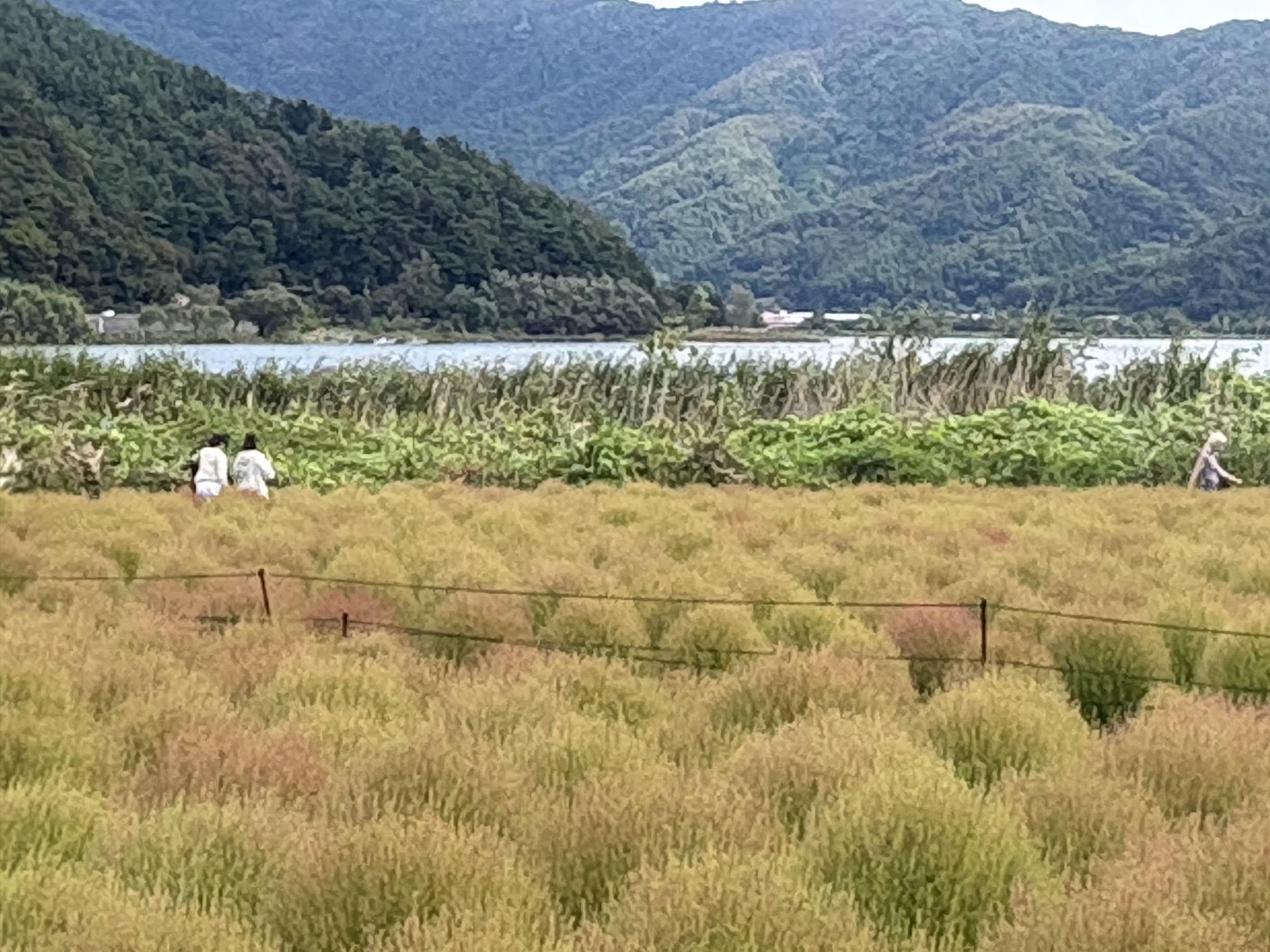
Beyond Tokyo, the landscape became an attraction in its own right. Mount Fuji provided a magical backdrop from Oishi Park on the shores of Lake Kawaguchi, where seasonal flowers framed the mountain’s distinctive outline. The combination of fresh air, open space and that extraordinary natural panorama was a welcome change from the intensity of the city.
A visit to the Kubota Itchiku Art Museum proved equally memorable. Hidden among woodland, it celebrates the extraordinary kimono creations of an artist inspired by nature and the changing seasons. His intricate designs, colours and craftsmanship demonstrate just how much artistry can be contained within a single garment. I was particularly taken by the way natural forms and seasonal changes were translated into such textiles. It was a reminder that Japanese beauty is often subtle, thoughtful and deeply connected to the natural world.
Nothing quite prepares you for Hiroshima. At the Peace Memorial Park, dedicated to the victims of the atomic bombing on 6 August 1945, the memorials and poignant reminders of the city’s past were deeply moving. The silence was profound. After such an emotional experience, I found a walk through Shukkeien Garden offered a welcome opportunity for reflection. Its carefully arranged landscapes, tranquil ponds and traditional tea houses provided a peaceful contrast to the weight of the memorial.
There is a particular quality to Japanese gardens that encourages contemplation. Rather than overwhelming the senses, they invite you to notice the details: the shape of a tree, the movement of water, the placement of a stone or the changing light. I found myself appreciating these moments of stillness and mindfulness more as the journey progressed.
Miyajima Island, reached by a short ferry ride, offered another unforgettable encounter with nature and spirituality. The Great Torii Gate of Itsukushima Shrine appears to float on the water, with the forested slopes of Mount Misen rising behind it. It was an almost ethereal sight, particularly in the changing light. These were the moments I had hoped to find in Japan: places where architecture, spirituality and the natural environment seem to blend together harmoniously.
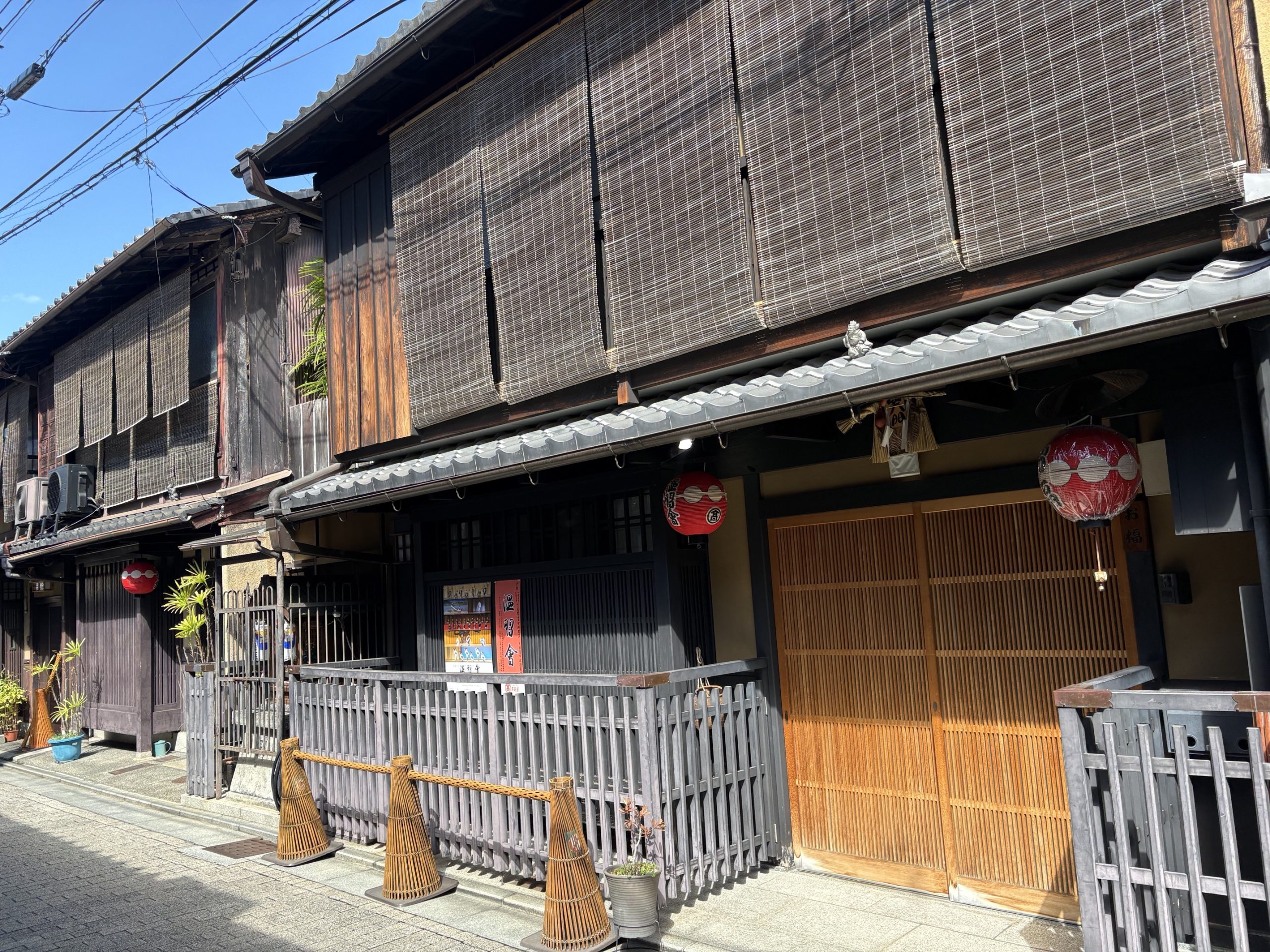
Kyoto, however, became the heart of my journey. As Japan’s former imperial capital, it accommodates an extraordinary wealth of Buddhist temples and Shinto shrines. In the historic district of Gion, narrow streets lined with wooden townhouses evoke a distant era. Along the willow-fringed Shirakawa Canal, the atmosphere felt particularly special. Here, Kyoto’s geisha, known locally as geiko, continue to preserve the refined arts of dance, music and conversation. Their world is carefully protected, with restrictions helping to preserve the privacy of its residents.
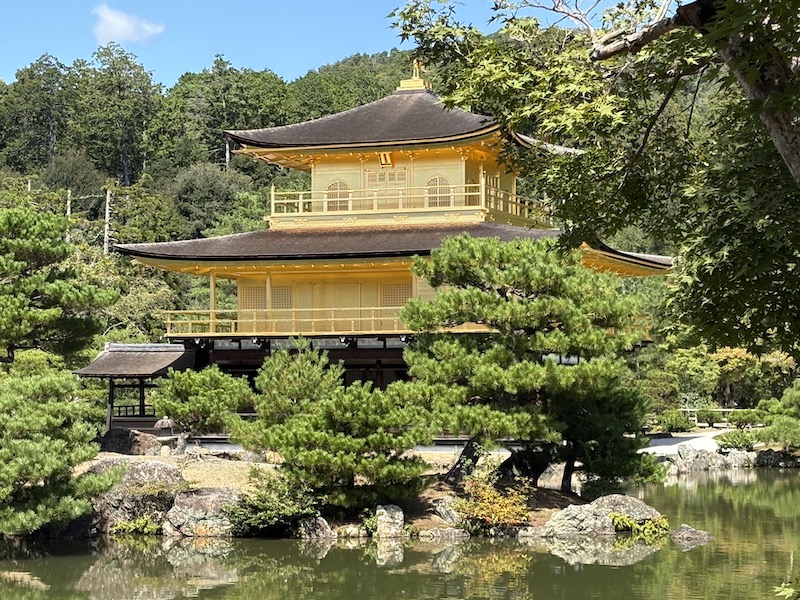
There is an elegance to Kyoto. Here it is evident in the architecture, the gardens, the traditional dress and the attention given to even the smallest details. Beauty is not necessarily about grandeur or extravagance, it’s in restraint, balance and craftsmanship. A visit to Kinkaku-ji, the Golden Pavilion, was one of the visual highlights. Its gold-leaf exterior glimmered against the surrounding greenery, its reflection captured in the still lake. At Arashiyama, towering bamboo groves created a cathedral-like corridor of green, the slender trunks reaching skywards and filtering the light. Walking beneath them was an almost meditative experience, although the popularity of the site meant sharing the moment with plenty of other visitors.
Fushimi Inari Taisha offered a different spectacle, with its tunnel of vermilion torii gates winding into the wooded hills. Nearby Nara brought another impressive encounter with the enormous bronze Buddha at Todai-ji Temple. Each destination revealed another layer of Japan’s rich spiritual and cultural heritage.
What became increasingly apparent was the importance of ritual in Japanese life. Whether visiting a shrine, enjoying a carefully prepared meal or observing the customs of a traditional home, there is an underlying appreciation of doing things thoughtfully. This attention to detail extends to Japanese beauty culture too, where skincare, bathing and personal presentation have long been associated with daily care rather than simply appearance. I found this quieter philosophy particularly appealing.
A Traditional Ryokan
My final evening brought perhaps the most personal insight into the Japanese way of life: a stay in a traditional ryokan. Shoes were removed at the entrance, a cotton yukata replaced my everyday clothes and my futon was laid out on tatami mats behind sliding paper shoji doors.These simple rituals immediately disconnected me from the outside world. There was something wonderfully calming about changing into traditional clothing, leaving shoes and everyday concerns behind and embracing a different rhythm. The understated hospitality, simplicity of the surroundings and absence of unnecessary distractions made the experience feel genuinely restorative.
It was also a reminder of how easily we become accustomed to the constant stimulation of modern life. In Japan, I had found pleasure in the opposite: quiet gardens, thoughtful gestures, natural materials and the gentle rhythm of a different culture. It was an escape not simply from a familiar place, but from familiar habits.
Of course, Japan’s energetic side remains a sensory adventure. Bullet trains travel at astonishing speeds, cities pulse with neon brightness and technological innovation is fascinating. Travelling with 32 fellow guests inevitably meant sharing experiences but the advantages were considerable. Transport arrangements, hotel transfers and sightseeing logistics were taken care of, while knowledgeable guides brought the history and cultural significance of each destination to life. There was also time to pursue individual interests, particularly during free evenings, without the pressure of organising an entire itinerary independently.
I discovered that slow travel is not necessarily about staying in one place for weeks or covering fewer miles. It is about being receptive to your surroundings, taking time to notice details and allowing a destination to reveal itself. Riviera Travel introduced me to Japan’s iconic sights, but the experiences that remain most vivid are the quieter ones: sunlight on a garden pond, the intricate craftsmanship of a kimono and the simple rituals of a ryokan. Japan’s contrasts make it endlessly fascinating, but its greatest beauty, for me, lies in its ability to offer a different perspective on everyday life. It is a country where ancient traditions sit alongside extraordinary innovation, where nature is appreciated in all its changing seasons and where the smallest details can bring the greatest pleasure.
I arrived dreaming of geishas, tranquil gardens and a glimpse of a distant culture. I left with those dreams fulfilled, but also with something less tangible: a renewed appreciation of simplicity, beauty and the restorative pleasure of stepping away from the everyday. Japan had reminded me that sometimes the most rewarding journeys are not about how quickly we travel, but how much we allow ourselves to experience along the way.
Riviera Travel’s The Best of Japan is a 13-day escorted tour including four-star hotels, flights, breakfast, selected meals and guided excursions. For details of future departures, visit www.rivieratravel.com or Riviera Travel’s escorted tours.